
While during my time farming, we did not have livestock. As a smaller operation, this may have been another reason for my downfall. Having a diversified farming operation with plenty of animals is like owning a stock portfolio. The more diversity a farmer has, the less risk one takes on. Due to monopoly power, grain processors and meatpackers have centralized animal production. Turning farmers into producers of fewer and fewer grains and livestock. Without this diversity, farmers’ portfolio is more at risk.
Having livestock spread out in a sustainable manner across many farms is good for the land and the farmer. Their manure is spread more equally, and a farmer can reduce their usage on synthetic fertilizer. Practical Farmers of Iowa released a wonderful documentary explaining the benefits of farms having livestock.
For this purpose and so you do not have to read a 10,000-word essay, I am only writing about cattle. A quick family history, both sets of my grandparents had cows. My Grandpa Dengler raised Guernsey and Black Baldies for meat during his farming career, and on my other side, my Grandpa Pohlman raised Purebred Angus. My dad raised Holstein calves to feed out for a year before he moved onto other farming endeavors.
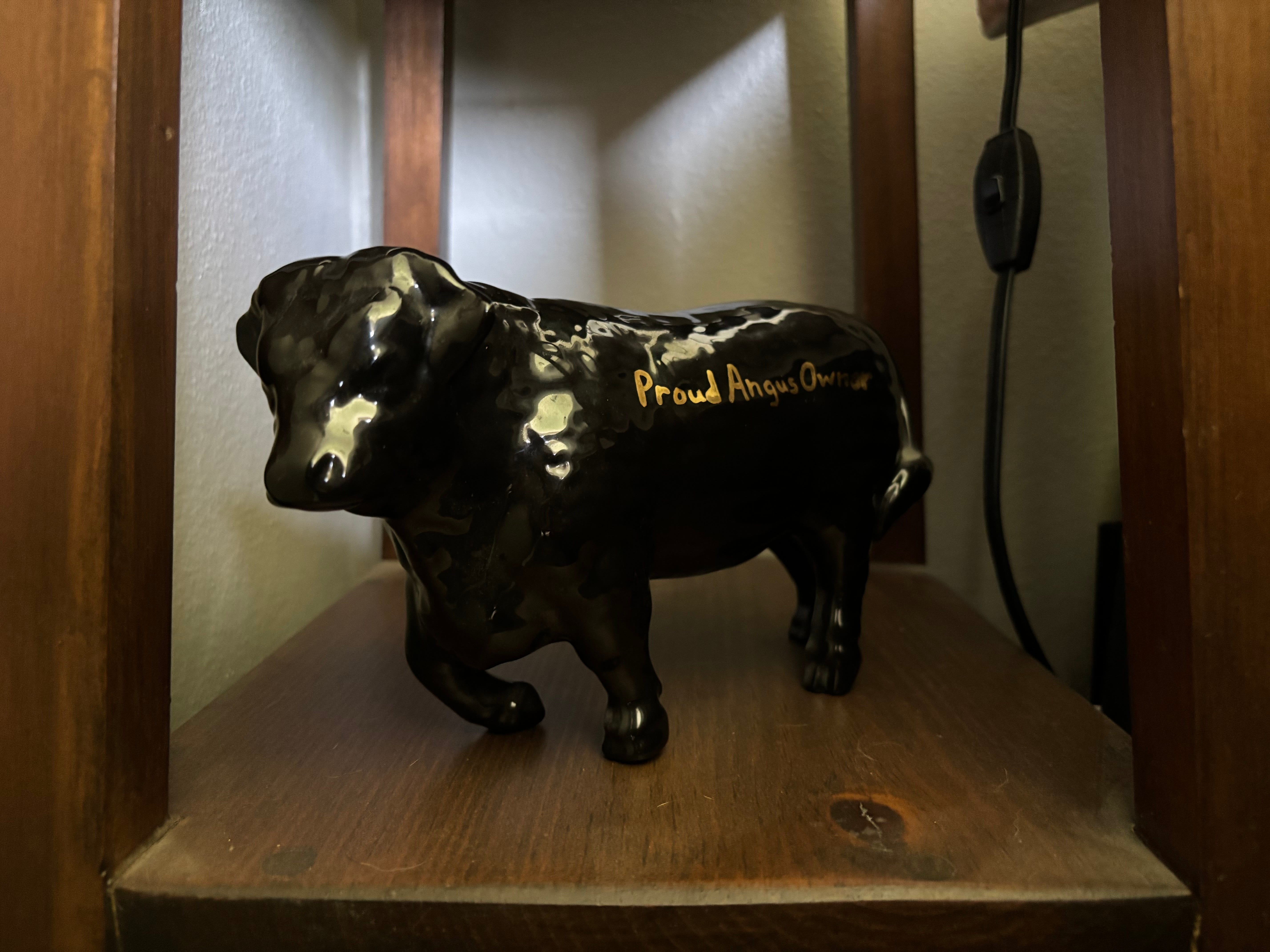
From my understanding, livestock farming, especially cattle, is not easy. These are behemoths compared to pigs or chickens. Most of my friends who have cattle are a cow-calf operation. This is the beginning phase for cattle before moving to the stocker phrase. After this phase is the finishing phase, then the cattle are taken to the meatpacker. The meatpacker decides how to sell every piece of the cow to retailers and restaurants both directly and through processors and distributors. Each phase the cow packs on more weight. They, unfortunately, must play a role in a system which has been monopolized by the meatpackers at the top. For those who work with cattle day in and day out, life is not easy. This is why I believe anything to stop monopoly power abuses to make it worth people considering being or becoming cattle farmers is important.
While all the facts below are from Farm Action, I also recommend reading Barons by Austin Frerick. He writes about the meatpacker, JBS, and how they gained monopoly power.
While today’s Big Four meatpackers control over 80% of the beef processing market, this meatpacker monopoly power is not new. We fixed it before, and we can fix it again. A “Meat Trust” in the early 20th century had the Department of Justice bring charges of monopolization and restraint of trade against the Big Five in the “Meat Trust.” While the investigation ended in a consent decree, it cleaned up some parts of their monopoly power, but it led to the enforcement of the Packers and Stockyards Act being put under the USDA. A classic fox guarding the henhouse moment which led to limited enforcement.
While impacted, the old “Meat Trust” fortunes started to significantly change in the 1950s when thousands of single-species, single-story slaughter plants were built near production areas in rural communities which helped put an end to the Big Five’s market power. By 1963, the four-firm concentration ratio reached as low as 26% for cattle. By 1970, fully 70% of the consumer’s beef dollar went to cattle producers and only 30% went to markups by processors and retailers.
While the old “Meat Trust” operations were located in urban centers, these new meatpackers had an unfair wage advantage ranging from 10 to 20% on average, and reaching as high as 50%, according to some reports. This competitive advantage led to depressed wages for laborers, and these newer meatpackers were able to sign exclusive contracts with commercial feedlots which emerged in the countryside which lessened competition for local ranchers’ cattle.
In the past, when farmers sold cattle to meatpackers, it went through a cash market. A cash market is an equal playing field, a free market from the 1960s through the 2000s. As the meatpackers market power grew, they implemented alternative marketing arrangements (aka unequal playing field, not a free market) instead of using the cash market for cattle. While the arrangements are supposed to help both, they leave meatpackers with a variety of tools to manipulate the prices they pay producers at the time of delivery.
After taking control of farmers, learn how meatpackers to control of the entire beef processing industry in Part 2.